[Sample Post] Solar Panel Efficiency Advanced Materials Driving Renewable Energy Innovation
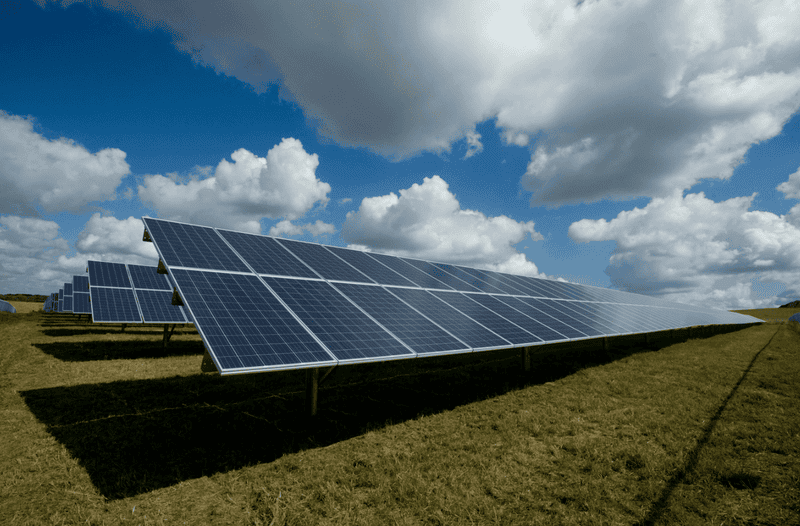
The efficiency of solar panels has steadily improved over decades through advances in materials science, manufacturing processes, and device architecture. As the world transitions toward renewable energy sources, maximizing the conversion efficiency of sunlight to electricity has become a critical technological and economic imperative. Modern solar cells now achieve efficiencies exceeding 26% in commercial applications, with laboratory demonstrations reaching over 47% using advanced multi-junction architectures.
The journey toward higher efficiency solar panels involves complex interplay between semiconductor physics, material properties, and engineering design. Each percentage point improvement in efficiency translates to significant reductions in the cost per watt of solar electricity, making renewable energy more competitive with fossil fuels. Understanding the materials science behind these efficiency gains provides insight into both current capabilities and future potential of photovoltaic technology.
Fundamental Photovoltaic Principles
Solar Cell Physics
Photovoltaic Effect Mechanism:Solar cells convert sunlight into electricity through the photovoltaic effect, where photons excite electrons across the bandgap of semiconductor materials.
Energy Conversion Process:
- Photon Absorption: Incoming solar photons with energy greater than the bandgap
- Electron-Hole Generation: Creation of free charge carriers through photon absorption
- Charge Separation: Built-in electric field separates positive and negative charges
- Current Collection: External circuit allows electron flow, generating electrical power
Efficiency Limitations:The theoretical maximum efficiency for single-junction solar cells is limited by fundamental physics principles.
Shockley-Queisser Limit:
- Theoretical Maximum: ~33% for single-junction silicon cells under standard conditions
- Spectral Limitations: Only photons with energy matching the bandgap are efficiently converted
- Thermalization Losses: Excess photon energy is lost as heat
- Recombination Losses: Electron-hole pairs recombine before contributing to current
Bandgap Optimization:
Material | Bandgap (eV) | Theoretical Max Efficiency | Spectrum Match |
|---|---|---|---|
Silicon | 1.12 | 29% | Good for infrared |
Gallium Arsenide | 1.42 | 33% | Optimal for solar spectrum |
Cadmium Telluride | 1.45 | 32% | Good spectrum match |
Perovskites | 1.5-1.6 | 31-33% | Tunable bandgap |
Current Density and Voltage Relationships
I-V Characteristics:Solar cell performance is characterized by current-voltage relationships under illumination.
Key Performance Parameters:
- Short-Circuit Current (Isc): Maximum current when voltage is zero
- Open-Circuit Voltage (Voc): Maximum voltage when current is zero
- Maximum Power Point: Operating point yielding highest power output
- Fill Factor: Ratio of maximum power to product of Isc and Voc
Loss Mechanisms:
- Series Resistance: Resistance in contacts and bulk material reduces current
- Shunt Resistance: Current leakage paths reduce voltage
- Reflection Losses: Unabsorbed light due to surface reflection
- Transmission Losses: Light passing through the cell without absorption
Silicon Solar Cell Technology
Crystalline Silicon Innovations
PERC Technology (Passivated Emitter and Rear Cell):PERC cells incorporate a passivated rear surface to reduce recombination losses and improve light trapping.
Design Features:
- Rear Passivation Layer: Aluminum oxide or silicon nitride layer on rear surface
- Local Contacts: Point contacts through passivation layer for current collection
- Light Trapping: Rear reflector bounces unabsorbed light back through the cell
- Reduced Recombination: Passivation layer minimizes surface recombination velocity
Manufacturing Process:
- Standard Cell Processing: Conventional front-side processing through metallization
- Rear Surface Preparation: Chemical cleaning and texturing of rear surface
- Passivation Deposition: PECVD or ALD deposition of passivation layer
- Contact Formation: Laser ablation and screen printing for rear contacts
Performance Improvements:
- Efficiency Gains: 0.5-1.5% absolute efficiency improvement over standard cells
- Rear Surface Optimization: Reduced rear surface recombination velocity
- Enhanced Light Absorption: Improved photon capture through rear reflection
- Current Increase: Higher short-circuit current due to better light utilization
Heterojunction Technology (HJT):Silicon heterojunction cells combine crystalline silicon with thin-film amorphous silicon layers.
Cell Structure:
- Crystalline Silicon Base: High-quality n-type or p-type silicon wafer
- Amorphous Silicon Layers: Thin intrinsic and doped a-Si:H layers
- Transparent Conducting Oxide: ITO or alternative TCO for current collection
- Low-Temperature Processing: <200°C processing to preserve interface quality
Advantages:
- Excellent Passivation: Intrinsic a-Si:H provides superior surface passivation
- High Open-Circuit Voltage: Low interface recombination enables high Voc
- Temperature Coefficient: Better performance retention at elevated temperatures
- Bifacial Capability: Symmetric structure enables efficient bifacial operation
TOPCon Technology (Tunnel Oxide Passivated Contact):TOPCon cells use tunnel oxide layers with polysilicon contacts for excellent passivation.
Contact Structure:
- Tunnel Oxide: Ultra-thin (1-2 nm) silicon dioxide layer
- Polysilicon Layer: Heavily doped polysilicon for carrier transport
- Metal Contacts: Screen-printed or plated metal contacts on polysilicon
- Selective Contacts: Different contact structures for electrons and holes
Benefits:
- Low Contact Resistance: Tunnel oxide allows carrier transport while blocking recombination
- High Fill Factor: Excellent contact properties enable high fill factors
- Process Compatibility: Compatible with existing silicon cell manufacturing
- Scalability: Demonstrated feasibility for large-scale production
Advanced Silicon Architectures
Interdigitated Back Contact (IBC) Cells:IBC cells place both positive and negative contacts on the rear surface, eliminating front-surface shading.
Design Principles:
- Rear-Only Contacts: All electrical contacts located on rear surface
- Interdigitated Pattern: Alternating positive and negative contact fingers
- Front Surface Optimization: Optimized for light absorption without contact shading
- Lateral Current Collection: Current flows laterally through the silicon wafer
Manufacturing Challenges:
- Precision Patterning: Requires precise alignment of doped regions and contacts
- Process Complexity: More processing steps than conventional cells
- Yield Considerations: Higher complexity can impact manufacturing yield
- Cost Trade-offs: Higher manufacturing cost balanced against efficiency gains
Performance Characteristics:
- Efficiency Potential: Laboratory demonstrations >26% efficiency
- Aesthetic Appeal: Uniform appearance without visible grid lines
- Bifacial Capability: Can operate as bifacial cell with appropriate design
- Application Specific: Particularly valuable for residential and high-value applications
Thin-Film Solar Technologies
Cadmium Telluride (CdTe)
Material Properties:CdTe offers near-optimal bandgap for single-junction solar cells with strong optical absorption.
Thin-Film Advantages:
- High Absorption Coefficient: Strong light absorption in thin layers
- Direct Bandgap: Efficient photon absorption without thick layers
- Polycrystalline Structure: Grain boundaries don't severely limit performance
- Low-Temperature Processing: Manufacturing at relatively low temperatures
Manufacturing Process:
- Substrate Preparation: Glass substrates with transparent conducting oxide
- CdS Window Layer: Thin cadmium sulfide layer for junction formation
- CdTe Absorber: Thick CdTe layer for primary light absorption
- Back Contact Formation: Metal contacts optimized for hole collection
Efficiency Improvements:Recent advances have pushed CdTe efficiency toward 23% through various improvements:
Selenium Alloying:
- CdSeTe Absorbers: Selenium incorporation improves voltage and current
- Bandgap Tuning: Adjusting Se content optimizes bandgap for solar spectrum
- Defect Reduction: Selenium reduces harmful defect densities
- Interface Improvement: Better junction properties with CdS window layer
Alternative Window Layers:
- Magnesium Zinc Oxide: Higher transparency than traditional CdS
- Zinc Sulfide: Wider bandgap for improved blue response
- Buffer Layer Optimization: Thin buffer layers for improved interface quality
- Resistive Barriers: Controlling interface recombination
Copper Indium Gallium Selenide (CIGS)
Quaternary Alloy System:CIGS offers tunable bandgap through compositional control of indium/gallium ratio.
Composition Effects:
- Indium Content: Higher indium reduces bandgap, improves current
- Gallium Content: Higher gallium increases bandgap, improves voltage
- Bandgap Grading: Varying composition through film thickness optimizes performance
- Defect Tolerance: CIGS demonstrates remarkable tolerance to defects
Deposition Techniques:
- Co-evaporation: Simultaneous evaporation of constituent elements
- Sputtering and Selenization: Sequential processing for large-area uniformity
- Solution Processing: Low-cost printing methods for CIGS films
- Rapid Thermal Processing: Post-deposition annealing for grain growth
Record Efficiencies:CIGS holds the thin-film efficiency record at 23.4% through several innovations:
Interface Engineering:
- Alkali Treatment: Potassium and sodium incorporation improves performance
- Alternative Buffer Layers: Replacing CdS with zinc-based compounds
- Front Contact Optimization: Transparent conducting oxides with better properties
- Rear Contact Engineering: Improved hole collection at rear contact
Bandgap Engineering:
- Graded Compositions: Varying Ga/(Ga+In) ratio through film thickness
- Front Surface Modification: Wider bandgap at front surface
- Back Surface Engineering: Optimized composition for rear contact
- Strain Management: Controlling lattice strain through composition
Emerging Photovoltaic Materials
Perovskite Solar Cells
Crystal Structure and Properties:Perovskite materials exhibit exceptional photovoltaic properties due to their unique crystal structure.
Material Composition:
- ABX3 Structure: A-site cation, B-site metal, X-site halide
- Methylammonium Lead Iodide: Most studied perovskite composition
- Mixed Cation Systems: Improved stability through cation mixing
- Halide Engineering: Tuning properties through halide composition
Exceptional Properties:
- High Absorption Coefficient: Strong light absorption across visible spectrum
- Long Carrier Lifetimes: Low recombination rates enable high voltage
- Ambipolar Transport: Efficient transport of both electrons and holes
- Defect Tolerance: Remarkable tolerance to crystal defects
Efficiency Progress:Perovskite efficiency has increased dramatically since 2009:
- 2009: 3.8% efficiency first demonstration
- 2015: >20% efficiency achieved
- 2021: >25% efficiency in laboratory cells
- Current: >26% certified efficiency
Device Architectures:
- Mesoporous Structure: Perovskite infiltrated into mesoporous scaffolds
- Planar Structure: Flat interfaces between transport layers
- Inverted Structure: Hole transport layer at bottom
- Flexible Substrates: Demonstration on plastic substrates
Perovskite-Silicon Tandems
Tandem Cell Concepts:Combining perovskite and silicon cells in tandem architecture enables efficiency beyond single-junction limits.
Optical Management:
- Bandgap Matching: Perovskite top cell optimized for high-energy photons
- Silicon Bottom Cell: Captures low-energy photons transmitted through perovskite
- Current Matching: Balancing current generation in top and bottom cells
- Light Management: Optical coatings and textures for optimal light distribution
Efficiency Potential:
- Theoretical Limit: >42% efficiency for perovskite-silicon tandems
- Laboratory Demonstrations: >31% efficiency achieved
- Commercial Potential: Pathway to >35% efficiency modules
- Cost Considerations: Balancing efficiency gains with manufacturing complexity
Technical Challenges:
- Stability Issues: Perovskite degradation under operating conditions
- Manufacturing Integration: Combining solution processing with silicon technology
- Thermal Cycling: Managing different thermal expansion coefficients
- Encapsulation: Protecting perovskite from moisture and oxygen
Organic Photovoltaics
Polymer Solar Cells:Organic semiconductors offer potential for low-cost, flexible solar cells.
Active Layer Materials:
- Donor Polymers: Electron-donating conjugated polymers
- Acceptor Materials: Electron-accepting small molecules or polymers
- Bulk Heterojunction: Intermixed donor-acceptor networks
- Non-fullerene Acceptors: Alternative acceptors with improved properties
Processing Advantages:
- Solution Processing: Printing and coating from solution
- Room Temperature: Low-temperature processing enables plastic substrates
- Large Area: Potential for continuous roll-to-roll manufacturing
- Lightweight: Ultra-thin, lightweight modules
Performance Limitations:
- Efficiency: Current best cells ~18% efficiency
- Stability: Degradation under light and air exposure
- Voltage Losses: Significant voltage losses at interfaces
- Morphology Control: Optimizing donor-acceptor morphology
Recent Advances:
- Y-series Acceptors: Non-fullerene acceptors enabling >17% efficiency
- Ternary Blends: Three-component active layers for improved performance
- Interface Engineering: Better charge extraction through interface layers
- Stability Improvements: Encapsulation and material modifications
Multi-Junction and Concentrator Technologies
III-V Multi-Junction Cells
Compound Semiconductor Systems:III-V materials offer superior properties for high-efficiency solar cells.
Material Advantages:
- Direct Bandgaps: Efficient light absorption
- High Mobility: Fast carrier transport
- Radiation Resistance: Suitable for space applications
- Bandgap Engineering: Tunable properties through alloying
Multi-Junction Architecture:Modern III-V cells use multiple junctions to capture different portions of the solar spectrum.
Three-Junction Cells:
- Top Cell: InGaP (Eg ~1.9 eV) for high-energy photons
- Middle Cell: InGaAs (Eg ~1.4 eV) for mid-range photons
- Bottom Cell: Ge (Eg ~0.67 eV) for low-energy photons
- Tunnel Junctions: Connecting junctions between subcells
Four and Five-Junction Cells:
- Additional Subcells: More junction for better spectrum utilization
- Lattice Matching: Engineering epitaxial growth for multiple junctions
- Current Balancing: Optimizing each subcell for current matching
- Efficiency Records: >47% efficiency under concentration
Manufacturing Challenges:
- Epitaxial Growth: Precise control of layer composition and thickness
- Cost Considerations: Expensive substrates and processing
- Substrate Recycling: Reusing expensive substrates to reduce cost
- Yield Management: Maintaining high yield in complex structures
Concentrator Photovoltaics (CPV)
Optical Concentration Systems:CPV systems use lenses or mirrors to concentrate sunlight onto high-efficiency cells.
Concentration Ratios:
Concentration | Typical Ratio | Tracking Required | Applications |
|---|---|---|---|
Low | 2-10x | Single-axis | Flat-plate hybrid |
Medium | 10-100x | Dual-axis | Commercial systems |
High | 100-1000x | Precision tracking | Research, niche |
Ultra-high | >1000x | Advanced tracking | Laboratory |
System Components:
- Primary Optics: Fresnel lenses or parabolic mirrors
- Secondary Optics: Light homogenization and concentration
- Cell Assembly: High-efficiency cells with heat management
- Tracking Systems: Precise sun tracking for maximum collection
Thermal Management:
- Heat Sinks: Efficient heat removal from concentrated cells
- Cooling Systems: Active cooling for high concentration
- Temperature Coefficients: Managing performance degradation with temperature
- Thermal Interface Materials: Optimizing heat transfer
Advantages and Challenges:
- High Efficiency: >40% system efficiency demonstrated
- Material Savings: Less semiconductor material per unit power
- Direct Normal Irradiance: Requires clear sky conditions
- System Complexity: More complex than flat-plate systems
Efficiency Enhancement Techniques
Light Management Technologies
Anti-Reflection Coatings:Optical coatings minimize reflection losses and maximize light absorption.
Single-Layer Coatings:
- Quarter-Wave Thickness: Optimized thickness for destructive interference
- Material Selection: Refractive index matching for minimum reflection
- Silicon Nitride: Most common ARC material for silicon cells
- Wavelength Optimization: Tuning for peak solar spectrum response
Multi-Layer Coatings:
- Broadband Performance: Reduced reflection across wider wavelength range
- Graded Index: Gradual refractive index transition
- Material Combinations: Multiple materials for optimal performance
- Manufacturing Complexity: Balance between performance and cost
Surface Texturing:
- Pyramid Textures: Alkaline etching creates pyramid structures
- Random Textures: Acid etching for smaller feature sizes
- Black Silicon: Reactive ion etching creates ultra-low reflectance
- Light Trapping: Multiple internal reflections increase absorption
Passivation Technologies
Surface Passivation:Reducing surface recombination is critical for high-efficiency cells.
Passivation Mechanisms:
- Chemical Passivation: Reducing interface state density
- Field Effect Passivation: Electric field reducing carrier concentration
- Combined Passivation: Both chemical and field effect mechanisms
- Hydrogen Passivation: Hydrogen atoms neutralizing defects
Passivation Materials:
- Silicon Dioxide: Traditional thermal oxide passivation
- Silicon Nitride: PECVD silicon nitride with positive charge
- Aluminum Oxide: Atomic layer deposited Al2O3 with negative charge
- Amorphous Silicon: Intrinsic a-Si:H for excellent passivation
Contact Passivation:
- Passivated Contacts: Combining passivation with current collection
- Tunnel Oxides: Ultra-thin oxides for carrier tunneling
- Polysilicon Contacts: Doped polysilicon on tunnel oxide
- Carrier Selectivity: Preferentially collecting one carrier type
Carrier Collection Optimization
Contact Design:Optimizing contact geometry and materials for efficient current collection.
Grid Design Optimization:
- Finger Width: Balancing resistance and shading losses
- Finger Spacing: Optimizing for lateral resistance
- Busbar Configuration: Multiple busbars for reduced resistance
- Metal Choice: Silver, copper, or alternative metallization
Selective Contacts:
- Electron Contacts: Materials preferentially collecting electrons
- Hole Contacts: Materials preferentially collecting holes
- Contact Resistance: Minimizing resistance at semiconductor-metal interface
- Transparency: For front contacts, maintaining optical transparency
Advanced Metallization:
- Plated Contacts: Electroplated copper for reduced cost
- Screen Printing: Traditional silver paste screen printing
- Photolithography: Precision patterning for narrow lines
- Alternative Methods: Inkjet printing, laser processing
Characterization and Testing
Efficiency Measurement Standards
Standard Test Conditions (STC):Solar cell efficiency is measured under standardized conditions for comparison.
STC Parameters:
- Irradiance: 1000 W/m² (1 sun) intensity
- Spectrum: AM1.5G standard solar spectrum
- Temperature: 25°C cell temperature
- Measurement Protocol: I-V curve measurement procedures
Calibration Standards:
- Reference Cells: Calibrated cells with known efficiency
- Spectral Responsivity: Wavelength-dependent response measurement
- Temperature Coefficients: Performance variation with temperature
- Uncertainty Analysis: Measurement uncertainty quantification
Advanced Characterization:
- Quantum Efficiency: Wavelength-dependent current generation
- Electroluminescence: Imaging defects through light emission
- Photoluminescence: Mapping material quality and defects
- Time-Resolved Measurements: Carrier lifetime and dynamics
Reliability and Degradation Testing
Accelerated Aging Tests:Predicting long-term performance through accelerated testing protocols.
Thermal Cycling:
- Temperature Range: -40°C to +85°C cycling
- Cycle Count: Hundreds to thousands of cycles
- Solder Bond Integrity: Testing interconnect reliability
- Module-Level Testing: Complete module reliability assessment
Humidity and UV Exposure:
- Damp Heat: 85°C and 85% relative humidity exposure
- UV Preconditioning: UV light exposure before other tests
- Encapsulant Degradation: Testing protective material stability
- Corrosion Testing: Metal contact corrosion evaluation
Mechanical Stress Testing:
- Wind Load: Simulating wind pressure on modules
- Snow Load: Static load testing for snow accumulation
- Thermal Stress: Differential expansion effects
- Vibration Testing: Transportation and installation stresses
Performance Degradation Monitoring:
- Power Output: Tracking efficiency loss over time
- I-V Parameter Changes: Monitoring voltage, current, and fill factor
- Visual Inspection: Identifying physical degradation
- Failure Mode Analysis: Understanding degradation mechanisms
Manufacturing and Cost Considerations
Production Scaling Challenges
Silicon Cell Manufacturing:Scaling production while maintaining quality and reducing costs.
Wafer Processing:
- Ingot Growth: Czochralski or float-zone crystal growth
- Wafer Slicing: Diamond wire sawing for thin wafers
- Surface Preparation: Chemical cleaning and texturing
- Yield Optimization: Minimizing wafer breakage and defects
Thin-Film Manufacturing:
- Large-Area Uniformity: Maintaining consistent properties across large areas
- Inline Processing: Continuous processing for cost reduction
- Material Utilization: Minimizing waste of expensive materials
- Quality Control: Real-time monitoring and process control
Module Assembly:
- Cell Interconnection: Soldering or conductive adhesive bonding
- Encapsulation: Protecting cells from environment
- Frame Assembly: Mechanical support and mounting
- Quality Testing: Final module testing and certification
Cost Reduction Strategies
Learning Curve Effects:Solar manufacturing costs have declined through production scaling and technology improvements.
Historical Cost Trends:
- 1980s: >$20/Watt module prices
- 2000s: ~$3-5/Watt typical prices
- 2010s: Rapid decline to <$1/Watt
- 2020s: <$0.30/Watt for utility-scale modules
Cost Reduction Drivers:
- Manufacturing Scale: Larger factories with economies of scale
- Technology Improvements: Higher efficiency reducing cost per watt
- Material Costs: Reducing silicon and other material costs
- Process Optimization: Improving yield and reducing processing time
Regional Manufacturing:
- China Dominance: Majority of global manufacturing capacity
- Supply Chain Integration: Vertical integration reducing costs
- Government Support: Subsidies and policy support for manufacturing
- Technology Transfer: Rapid adoption of efficiency improvements
Future Directions and Research
Next-Generation Technologies
Quantum Dot Solar Cells:Semiconductor nanocrystals with size-tunable properties.
Quantum Confinement Effects:
- Tunable Bandgap: Size-dependent bandgap for spectrum matching
- Multiple Exciton Generation: Single photon creating multiple electron-hole pairs
- Hot Carrier Collection: Collecting high-energy carriers before thermalization
- Solution Processing: Low-cost fabrication from solution
Two-Dimensional Materials:
- Graphene: Ultra-thin transparent electrodes
- Transition Metal Dichalcogenides: Novel absorber materials
- Van der Waals Heterostructures: Atomically thin junctions
- Bandgap Engineering: Tuning properties through stacking
Artificial Photosynthesis:
- Solar-to-Fuel Conversion: Direct conversion of sunlight to chemical fuels
- Photoelectrochemical Cells: Splitting water using solar energy
- CO2 Reduction: Converting carbon dioxide to useful chemicals
- Tandem Device Integration: Combining with photovoltaics
Theoretical Efficiency Limits
Thermodynamic Limits:Understanding ultimate efficiency limits guides research directions.
Detailed Balance Limits:
- Single Junction: ~33% for optimal bandgap
- Two Junctions: ~42% for optimal bandgap combination
- Infinite Junctions: ~68% theoretical maximum
- Concentration Effects: Higher limits under concentration
Hot Carrier Solar Cells:
- Concept: Collecting carriers before thermal equilibration
- Theoretical Efficiency: >60% potential efficiency
- Technical Challenges: Preventing carrier cooling
- Materials Requirements: Specialized materials with unique properties
Intermediate Band Solar Cells:
- Additional Absorption: Intermediate band enables sub-bandgap absorption
- Three-Level System: Multiple transitions for photon absorption
- Quantum Dots: Implementing intermediate bands through nanostructures
- Efficiency Potential: Theoretical efficiency >60%
Conclusion
The pursuit of higher efficiency solar panels continues to drive innovation across materials science, device physics, and manufacturing engineering. Recent advances in silicon technology, particularly PERC, heterojunction, and TOPCon architectures, have pushed silicon cell efficiency beyond 26% while maintaining cost-effectiveness for large-scale deployment.
Emerging technologies like perovskites and perovskite-silicon tandems offer the potential to exceed 35% efficiency in commercial modules, while III-V multi-junction cells have already demonstrated efficiencies approaching 50% under concentration. These advances, combined with continued cost reductions through manufacturing scale and process optimization, are making solar energy the most cost-effective electricity source in many regions.
The future of solar efficiency lies in the integration of multiple technological approaches: advanced materials, novel device architectures, sophisticated light management, and manufacturing innovations. As these technologies mature and transition from laboratory to commercial production, solar photovoltaics will continue to play an increasingly important role in the global transition to sustainable energy.
The convergence of higher efficiency, lower costs, and improved reliability positions solar energy as a cornerstone technology for addressing climate change and meeting growing global energy demands. The materials science innovations driving these improvements will continue to unlock new possibilities for harnessing the vast potential of solar energy.