[Sample Post] Renewable Energy Storage Engineering Solutions for a Sustainable Future
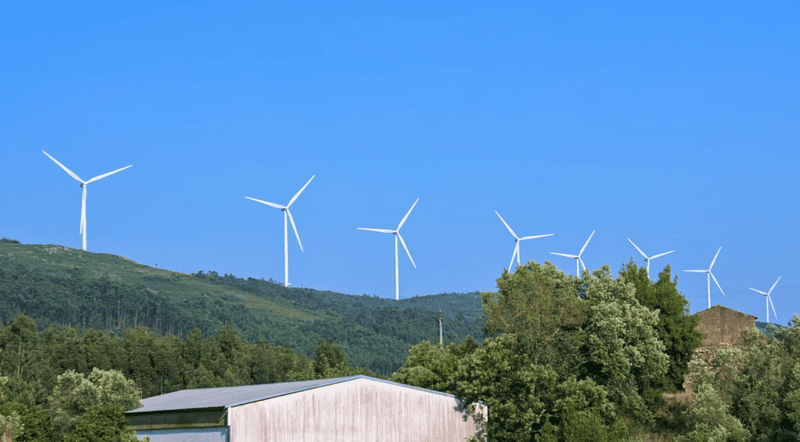
The rapid expansion of renewable energy sources has created an urgent need for advanced storage technologies that can capture excess energy during peak production periods and deliver it when renewable sources are unavailable. Energy storage represents the missing link in achieving a fully renewable electrical grid, addressing the fundamental challenge of intermittency that has historically limited the adoption of solar and wind power.
Modern energy storage solutions encompass a diverse range of technologies, from traditional pumped hydro systems to cutting-edge battery technologies, compressed air systems, and innovative mechanical storage approaches. Each technology offers unique advantages and trade-offs in terms of capacity, duration, efficiency, cost, and environmental impact. Understanding these technologies and their applications is crucial for designing resilient, sustainable energy systems that can meet growing global energy demands while minimizing environmental impact.
The Energy Storage Challenge
Grid-Scale Storage Requirements
The electrical grid operates on the principle of instantaneous balance—electricity generation must exactly match consumption at all times. Traditional power systems achieved this balance using dispatchable fossil fuel plants that could quickly increase or decrease output in response to demand fluctuations. Renewable energy sources, however, generate electricity based on weather conditions rather than demand patterns, creating new challenges for grid stability.
Intermittency Patterns:
- Solar Power: Predictable daily cycles but affected by weather and seasonal variations
- Wind Power: More variable patterns influenced by weather systems and geographic location
- Combined Renewable Systems: Complementary generation patterns that can partially offset individual source intermittency
Storage Duration Requirements:
Duration | Application | Technology Suitability |
|---|---|---|
Seconds to Minutes | Frequency regulation, voltage support | Flywheels, supercapacitors |
Minutes to Hours | Peak shaving, load following | Lithium-ion batteries, compressed air |
Hours to Days | Renewable integration, backup power | Pumped hydro, flow batteries |
Days to Weeks | Seasonal storage, emergency reserves | Power-to-gas, long-duration batteries |
Grid Services Provided by Storage:
- Energy Arbitrage: Storing cheap energy and selling it at higher prices
- Frequency Regulation: Maintaining grid frequency within acceptable ranges
- Voltage Support: Managing voltage levels across transmission networks
- Black Start Capability: Restarting the grid after complete shutdowns
- Peak Demand Reduction: Reducing strain on generation and transmission infrastructure
Economic Drivers
The economics of energy storage are rapidly improving due to technological advancement, manufacturing scale-up, and supportive policy frameworks:
Cost Reduction Trends:
- Lithium-ion Batteries: 89% cost reduction from 2010-2020
- Utility-scale Solar: 85% cost reduction from 2010-2020
- Onshore Wind: 70% cost reduction from 2010-2020
- Combined Systems: Renewable plus storage becoming cost-competitive with fossil fuels
Value Streams for Storage Projects:
- Capacity Value: Reducing need for peaker power plants
- Energy Value: Time-shifting renewable energy to periods of higher prices
- Ancillary Services: Providing grid stability services
- Transmission Deferral: Delaying expensive transmission infrastructure upgrades
- Environmental Benefits: Enabling higher renewable energy penetration
Battery Technologies and Applications
Battery technology has emerged as the dominant solution for short to medium-duration energy storage, with rapid improvements in performance, cost, and manufacturing scale.
Lithium-Ion Battery Systems
Lithium-ion batteries have become the technology of choice for many grid-scale storage applications due to their high energy density, fast response times, and declining costs.
Chemistry Variations:
- Lithium Iron Phosphate (LiFePO4): Enhanced safety and cycle life, lower energy density
- Nickel Manganese Cobalt (NMC): High energy density, moderate cycle life
- Lithium Titanate (LTO): Extremely fast charging and long cycle life
- Nickel Cobalt Aluminum (NCA): High energy density, used in Tesla systems
System Architecture:Grid-scale lithium-ion installations consist of multiple integrated components:
Battery Modules and Racks:
- Individual cells grouped into modules for easier handling and monitoring
- Modules assembled into racks with integrated thermal management
- Rack-level monitoring and safety systems
Power Conversion Systems (PCS):
- Bidirectional inverters converting between DC battery storage and AC grid
- Advanced control algorithms for grid integration and services
- Protection systems for safe operation under all conditions
Battery Management Systems (BMS):
- Cell-level monitoring of voltage, current, and temperature
- State of charge and state of health estimation
- Active and passive cell balancing for optimal performance
- Safety monitoring and emergency shutdown capabilities
Performance Characteristics:
Parameter | Typical Values | Impact on Applications |
|---|---|---|
Round-trip Efficiency | 85-95% | Energy arbitrage economics |
Cycle Life | 5,000-10,000+ cycles | Project lifetime and economics |
Response Time | Milliseconds | Frequency regulation capability |
Energy Density | 150-300 Wh/kg | Space and weight requirements |
Calendar Life | 10-20 years | Long-term project viability |
Major Grid-Scale Installations:
- Hornsdale Power Reserve (Australia): 150 MW/194 MWh Tesla Megapack installation
- Moss Landing (California): 400 MW/1,600 MWh Vistra/PG&E project
- Manatee Energy Storage (Florida): 409 MW/900 MWh FPL solar-plus-storage facility
Flow Battery Technologies
Flow batteries store energy in liquid electrolytes contained in external tanks, offering unique advantages for long-duration applications.
Vanadium Redox Flow Batteries (VRFB):
- Electrolyte: Vanadium ions in different oxidation states
- Advantages: Long cycle life, deep discharge capability, non-flammable
- Challenges: Lower energy density, higher upfront costs
- Applications: Long-duration storage, renewable integration
Zinc-Bromine Flow Batteries:
- Electrolyte: Zinc and bromine compounds in aqueous solution
- Advantages: Low-cost materials, good energy density for flow batteries
- Challenges: Corrosive electrolyte, complex system design
- Applications: Peak shaving, renewable integration
Iron Flow Batteries:
- Electrolyte: Iron-based compounds in water
- Advantages: Abundant, non-toxic materials, very long duration capability
- Challenges: Lower efficiency, newer technology with limited deployment
- Applications: Long-duration renewable integration
Organic Flow Batteries:
- Electrolyte: Organic molecules (quinones, polymers) in various solvents
- Advantages: Potentially low-cost, earth-abundant materials
- Challenges: Early-stage technology, stability concerns
- Applications: Research and development focus
Emerging Battery Technologies
Sodium-Ion Batteries:
- Advantages: Abundant sodium resources, similar manufacturing to lithium-ion
- Challenges: Lower energy density, early commercialization stage
- Applications: Stationary storage where weight is less critical
Solid-State Batteries:
- Advantages: Higher energy density, improved safety, longer cycle life
- Challenges: Manufacturing complexity, high costs, early development
- Timeline: Commercial deployment expected in late 2020s
Metal-Air Batteries:
- Advantages: Very high theoretical energy density
- Challenges: Cycle life, efficiency, complexity
- Applications: Long-duration storage research focus
Mechanical Energy Storage
Mechanical storage technologies convert electrical energy into mechanical energy for later retrieval, offering proven reliability and long operational lifespans.
Pumped Hydro Storage
Pumped hydro remains the dominant grid-scale storage technology globally, accounting for over 95% of installed storage capacity.
System Components:
- Upper Reservoir: Elevated water storage with sufficient capacity
- Lower Reservoir: Lower elevation water collection point
- Reversible Pump-Turbines: Equipment that can pump water up and generate electricity
- Penstock: Large pipes connecting reservoirs to powerhouse
- Power Generation Equipment: Generators, transformers, and grid connection infrastructure
Operational Characteristics:
- Efficiency: 70-85% round-trip efficiency
- Response Time: Minutes to full power (faster with modern equipment)
- Cycle Life: Effectively unlimited with proper maintenance
- Duration: Hours to weeks depending on reservoir size
- Environmental Impact: Significant land use, potential ecological disruption
Geographic Requirements:
- Topography: Significant elevation difference between reservoir sites
- Water Availability: Sufficient water resources for reservoir filling
- Environmental Considerations: Impact on local ecosystems and communities
- Transmission Access: Connection to high-voltage transmission networks
Innovative Pumped Hydro Concepts:
- Underground Pumped Hydro: Using abandoned mines or purpose-built caverns
- Seawater Systems: Using ocean as lower reservoir
- Modular Systems: Smaller, standardized installations for broader deployment
- Closed-Loop Systems: Minimizing environmental impact through contained water cycles
Compressed Air Energy Storage (CAES)
CAES systems store energy by compressing air in underground caverns or above-ground vessels.
Conventional CAES:
- Compression: Electric motors drive compressors during charging
- Storage: Compressed air stored in salt caverns or aquifers
- Expansion: Compressed air heated and expanded through turbines for electricity generation
- Efficiency: 42-54% due to heat loss during compression
Advanced CAES Technologies:
Adiabatic CAES (A-CAES):
- Heat Recovery: Capture and store heat generated during compression
- Efficiency: 70-80% through thermal energy recovery
- Challenges: Complex thermal management systems
Isothermal CAES:
- Constant Temperature: Maintain temperature during compression/expansion
- Efficiency: Theoretical efficiency approaching 90%
- Implementation: Requires innovative heat exchange systems
Liquid Air Energy Storage (LAES):
- Cryogenic Storage: Air liquefied and stored at -196°C
- Advantages: No geographic constraints, high energy density
- Challenges: Energy-intensive liquefaction process
- Efficiency: 50-70% round-trip efficiency
Above-Ground CAES:
- Pressure Vessels: Steel or composite containers for compressed air storage
- Scalability: Modular systems suitable for distributed deployment
- Applications: Industrial facilities, renewable integration
Flywheel Energy Storage
Flywheels store kinetic energy in rotating masses, offering fast response times and long cycle life.
Technology Components:
- Rotor: High-strength composite or steel rotating mass
- Magnetic Bearings: Friction-free suspension system
- Motor/Generator: Bidirectional machine for energy conversion
- Vacuum Chamber: Reducing air friction for efficiency
- Power Electronics: Control systems for grid integration
Performance Characteristics:
- Response Time: Milliseconds to full power
- Cycle Life: 20+ years with millions of cycles
- Efficiency: 85-95% round-trip efficiency
- Power Density: Very high power output capability
- Energy Density: Lower than batteries, suitable for short-duration applications
Applications:
- Frequency Regulation: Fast response for grid stability
- UPS Systems: Uninterruptible power supplies for critical loads
- Transit Systems: Energy recovery in electric rail applications
- Industrial Power Quality: Smoothing power delivery for sensitive equipment
Advanced Flywheel Designs:
- Composite Rotors: Carbon fiber for higher energy density
- Magnetic Levitation: Eliminating bearing friction and wear
- Vacuum Operation: Reducing aerodynamic losses
- Modular Arrays: Combining multiple units for scalable capacity
Chemical Energy Storage
Chemical storage technologies convert electrical energy into chemical bonds, offering the potential for very long-duration storage and seasonal energy shifting.
Power-to-Gas Systems
Power-to-gas technology converts excess renewable electricity into hydrogen or synthetic fuels that can be stored and used later.
Electrolysis Technologies:
Alkaline Electrolysis:
- Mature Technology: Decades of industrial experience
- Efficiency: 60-80% electricity to hydrogen
- Characteristics: Lower capital cost, slower response time
- Applications: Large-scale hydrogen production
Proton Exchange Membrane (PEM) Electrolysis:
- Fast Response: Rapid startup and load following capability
- Efficiency: 70-85% electricity to hydrogen
- Characteristics: Higher capital cost, better dynamic performance
- Applications: Grid services, renewable integration
Solid Oxide Electrolysis (SOEC):
- High Temperature: Operating at 700-900°C
- Efficiency: Potentially >90% with waste heat utilization
- Challenges: Material durability, system complexity
- Status: Research and development phase
Hydrogen Storage Methods:
Storage Method | Density | Advantages | Challenges |
|---|---|---|---|
Compressed Gas | 40 kg H₂/m³ | Simple, established | High pressure vessels, energy cost |
Liquid Hydrogen | 71 kg H₂/m³ | High density | Cryogenic storage, boil-off |
Metal Hydrides | 50-150 kg H₂/m³ | Ambient conditions | Weight, heat requirements |
Underground Caverns | Variable | Large scale | Geographic limitations |
Power-to-X Applications:
- Power-to-Methane: Converting CO₂ and hydrogen to synthetic natural gas
- Power-to-Ammonia: Producing ammonia for fertilizer and fuel applications
- Power-to-Liquid: Creating synthetic diesel and jet fuels
- Power-to-Chemicals: Producing industrial chemicals from renewable electricity
Synthetic Fuel Production
Methanation Process:CO₂ + 4H₂ → CH₄ + 2H₂O
- Sabatier Reaction: Catalytic conversion of CO₂ and hydrogen to methane
- Efficiency: 60-80% overall process efficiency
- Storage: Existing natural gas infrastructure compatibility
- Applications: Seasonal storage, heating, industrial processes
Fischer-Tropsch Synthesis:
- Liquid Fuels: Converting synthesis gas (CO + H₂) to liquid hydrocarbons
- Products: Diesel, gasoline, jet fuel, and chemicals
- Efficiency: 40-60% carbon efficiency
- Applications: Transportation fuel, chemical feedstock
Ammonia Synthesis:N₂ + 3H₂ → 2NH₃
- Haber-Bosch Process: Industrial ammonia production using renewable hydrogen
- Energy Carrier: Ammonia as carbon-free fuel and hydrogen carrier
- Storage: Established infrastructure and handling procedures
- Applications: Fertilizer, shipping fuel, power generation
Thermal Energy Storage
Thermal energy storage systems capture and store heat energy for later use in power generation or direct heating applications.
Concentrated Solar Power (CSP) with Thermal Storage
CSP plants use mirrors to concentrate sunlight for heating fluids that drive turbines, with thermal storage enabling power generation after sunset.
Heat Transfer Fluids:
- Synthetic Oil: Therminol VP-1, operating up to 400°C
- Molten Salt: Nitrate salt mixtures, operating up to 565°C
- Steam: Direct steam generation in receiver tubes
- Air: Pressurized air in tower receivers
Thermal Storage Media:
Molten Salt Storage:
- Two-Tank System: Hot and cold salt storage tanks
- Thermocline System: Single tank with temperature gradient
- Salt Composition: Typically 60% NaNO₃, 40% KNO₃
- Temperature Range: 290°C cold, 565°C hot
- Storage Duration: 6-15 hours typical, up to 24 hours possible
Solid Media Storage:
- Concrete: High temperature concrete for sensible heat storage
- Ceramics: Advanced ceramic materials for extreme temperatures
- Rock Beds: Natural stone with air as heat transfer fluid
- Phase Change Materials: Solid-liquid transition for latent heat storage
Performance Characteristics:
- Round-trip Efficiency: 35-45% solar-to-electricity with storage
- Capacity Factor: 30-75% depending on storage hours
- Dispatchability: Full control over power output timing
- Lifetime: 25-30 years for major components
Major CSP Projects with Storage:
- Noor Ouarzazate (Morocco): 510 MW complex with up to 7.5 hours storage
- Crescent Dunes (Nevada): 110 MW with 10 hours molten salt storage
- Solana (Arizona): 280 MW with 6 hours synthetic oil storage
- Atacama-1 (Chile): 110 MW with 17.5 hours molten salt storage
Sensible Heat Storage
Rock and Sand Storage:
- Materials: Crushed rock, sand, or specialized ceramics
- Heat Transfer: Hot air circulation through packed beds
- Temperature Range: Up to 1,200°C with advanced materials
- Applications: Industrial process heat, power generation
Concrete Storage:
- Thermal Mass: Large concrete structures for heat absorption
- Integration: Embedded heat exchangers for energy extraction
- Durability: Long-term stability under thermal cycling
- Cost: Low material costs, established construction techniques
Latent Heat Storage
Phase Change Materials (PCMs):
- Paraffin Waxes: 20-70°C melting range for building applications
- Salt Hydrates: Higher temperature applications, 100-200°C
- Metallic PCMs: Very high temperature applications, >400°C
- Advantages: High energy density, isothermal operation
Encapsulation Methods:
- Microencapsulation: PCM contained in microscopic shells
- Macroencapsulation: PCM in larger containers or tubes
- Direct Contact: PCM in direct contact with heat transfer fluid
- Shape-Stabilized PCMs: Composite materials maintaining solid form
Grid Integration and System Design
Effective integration of energy storage systems requires careful consideration of grid architecture, control systems, and market mechanisms.
Grid-Scale Integration Challenges
Technical Integration Requirements:
- Grid Codes: Compliance with utility interconnection standards
- Power Quality: Maintaining voltage and frequency within specifications
- Protection Systems: Fault detection and isolation capabilities
- Communication: Real-time data exchange with grid operators
- Cybersecurity: Protection against digital attacks on critical infrastructure
Control System Architecture:
Hierarchical Control Levels:
- Primary Control: Fast response for local stability (seconds)
- Secondary Control: Area regulation and frequency restoration (minutes)
- Tertiary Control: Economic dispatch optimization (hours)
Advanced Control Functions:
- Virtual Power Plants: Aggregating distributed storage resources
- Microgrid Controllers: Managing local generation and storage
- Demand Response Integration: Coordinating storage with flexible loads
- Renewable Forecasting: Predictive control based on weather forecasts
Market Integration and Business Models
Electricity Market Participation:
Energy Markets:
- Day-Ahead Markets: 24-hour advance energy scheduling
- Real-Time Markets: Balancing supply and demand minute-by-minute
- Capacity Markets: Long-term resource adequacy planning
- Ancillary Service Markets: Grid stability and reliability services
Revenue Stacking Strategies:Energy storage projects typically combine multiple revenue streams:
Service | Description | Typical Revenue Share |
|---|---|---|
Energy Arbitrage | Time-shifting energy from low to high price periods | 30-60% |
Frequency Regulation | Maintaining grid frequency within narrow bands | 20-40% |
Capacity Payments | Providing firm capacity for peak demand | 10-30% |
Voltage Support | Managing reactive power for voltage control | 5-15% |
Transmission Services | Deferring transmission infrastructure upgrades | Variable |
Innovative Business Models:
- Storage as a Service: Third-party ownership with service contracts
- Shared Storage: Community storage serving multiple customers
- Virtual Storage: Software aggregation of distributed resources
- Renewable Plus Storage: Integrated renewable and storage projects
Hybrid Renewable Systems
Solar Plus Storage:
- DC Coupling: Battery directly connected to solar DC bus
- AC Coupling: Separate inverters for solar and storage
- Shared Infrastructure: Common electrical and civil infrastructure
- Optimized Operation: Coordinated control for maximum value
Wind Plus Storage:
- Smoothing: Reducing wind output variability
- Firming: Providing committed delivery schedules
- Grid Services: Enhanced grid support capabilities
- Market Access: Improved participation in electricity markets
Multi-Technology Hybrid Systems:
- Solar + Wind + Storage: Combining complementary renewable sources
- Renewable + Gas: Storage with backup generation
- Multi-Duration Storage: Combining different storage technologies
- Power-to-X Integration: Including chemical storage options
Economic Analysis and Cost Trends
Levelized Cost of Storage (LCOS)
LCOS provides a standardized method for comparing different storage technologies:
LCOS = (Capital Cost + Present Value of Operating Costs) / (Present Value of Energy Discharged)
Key Cost Components:
- Capital Costs: Equipment, installation, interconnection
- Operating Costs: Maintenance, replacement, efficiency losses
- Financing Costs: Interest, insurance, taxes
- End-of-Life Costs: Decommissioning, recycling
Technology Cost Comparison (2024):
Technology | LCOS Range ($/MWh) | Best Applications |
|---|---|---|
Lithium-ion (4-hour) | $150-300 | Frequency regulation, peak shaving |
Pumped Hydro | $50-150 | Long-duration, bulk storage |
Compressed Air | $100-200 | Medium-duration storage |
Flow Batteries | $200-400 | Long-duration applications |
Green Hydrogen | $200-600 | Seasonal storage, industrial use |
Cost Reduction Drivers
Manufacturing Scale Effects:
- Learning Curves: Cost reduction with cumulative production
- Economies of Scale: Larger factories reducing unit costs
- Supply Chain Optimization: Improved logistics and sourcing
- Standardization: Common designs reducing customization costs
Technology Improvements:
- Energy Density: More storage capacity per unit cost
- Cycle Life: Longer operational lifetime reducing replacement costs
- Efficiency: Higher round-trip efficiency improving economics
- System Integration: Simplified installation and operation
Policy Support:
- Investment Tax Credits: Reducing upfront capital requirements
- Renewable Portfolio Standards: Creating demand for storage
- Grid Modernization: Utility investments in storage infrastructure
- Research and Development: Government funding for technology advancement
Financial Analysis Methods
Net Present Value (NPV):NPV = Σ(Cash Flow_t / (1 + discount rate)^t) - Initial Investment
Internal Rate of Return (IRR):The discount rate that makes NPV = 0
Payback Period:Time required to recover initial investment from project cash flows
Levelized Cost Comparison:Comparing LCOS with alternative technologies or grid services
Risk Assessment:
- Technology Risk: Performance and reliability uncertainties
- Market Risk: Changes in electricity prices and regulations
- Financing Risk: Interest rate and capital availability changes
- Regulatory Risk: Policy changes affecting project economics
Environmental Impact and Sustainability
Energy storage technologies have significant environmental implications throughout their lifecycle, from raw material extraction to end-of-life disposal and recycling.
Life Cycle Assessment
Lithium-Ion Battery Environmental Impact:
Raw Material Extraction:
- Lithium Mining: Water-intensive brine extraction or hard rock mining
- Cobalt Mining: Often associated with poor labor practices
- Nickel Mining: Energy-intensive extraction and refining
- Rare Earth Elements: Environmental damage from mining operations
Manufacturing Impact:
- Energy Consumption: High energy requirements for cell and module production
- Chemical Processing: Use of toxic solvents and chemicals
- Water Usage: Significant water consumption in manufacturing processes
- Transportation: Global supply chains with associated emissions
End-of-Life Considerations:
- Recycling Technologies: Recovering valuable materials from spent batteries
- Disposal Challenges: Proper handling of toxic materials
- Second-Life Applications: Using degraded batteries for less demanding applications
- Circular Economy: Designing for disassembly and material recovery
Environmental Benefits:
- Renewable Integration: Enabling higher renewable energy penetration
- Grid Efficiency: Reducing transmission losses and peaker plant emissions
- Air Quality: Displacing fossil fuel generation during peak periods
- Climate Impact: Net reduction in greenhouse gas emissions
Recycling and Circular Economy
Battery Recycling Processes:
Pyrometallurgy:
- High Temperature: Smelting to recover metals
- Materials Recovered: Cobalt, nickel, copper
- Limitations: Loss of lithium, energy intensive
- Current Application: Most commercial recycling operations
Hydrometallurgy:
- Chemical Extraction: Acid leaching to dissolve metals
- Materials Recovered: Lithium, cobalt, nickel, manganese
- Advantages: Higher recovery rates, lower energy consumption
- Development Status: Scaling up commercial operations
Direct Recycling:
- Material Preservation: Maintaining cathode material structure
- Advantages: Lowest energy consumption, highest value recovery
- Challenges: Separation of different battery chemistries
- Development Status: Research and pilot scale
Recycling Industry Development:
- Li-Cycle: Hydrometallurgical recycling technology
- Redwood Materials: Tesla co-founder's recycling startup
- Umicore: European battery materials and recycling company
- CATL: Chinese battery manufacturer with recycling operations
Sustainable Storage Technologies
Earth-Abundant Materials:
- Sodium-Ion Batteries: Using abundant sodium instead of lithium
- Iron-Air Batteries: Utilizing iron and air for long-duration storage
- Aluminum-Ion Batteries: Research into aluminum-based systems
- Organic Flow Batteries: Carbon-based electrolytes from renewable sources
Low Environmental Impact Systems:
- Gravity Storage: Using elevation changes to store energy
- Thermal Storage: Rock and sand storage with minimal environmental impact
- Mechanical Systems: Compressed air and flywheels with recyclable components
- Pumped Hydro: Long-term reliability with minimal material consumption
Future Trends and Innovations
Emerging Technologies
Advanced Battery Chemistries:
- Lithium-Metal Batteries: Higher energy density with solid electrolytes
- Lithium-Sulfur Batteries: Lightweight, high-capacity systems
- Multivalent Batteries: Magnesium, aluminum, or zinc-based systems
- Room Temperature Sodium-Sulfur: Alternative to high-temperature systems
Novel Mechanical Storage:
- Gravity Storage: Using weights and pulleys for energy storage
- Liquid Piston: Advanced compressed air systems
- Underwater Storage: Submerged compressed air systems
- Rail-Based Systems: Using rail cars on inclined tracks
Advanced Chemical Storage:
- Metal-Air Batteries: Zinc-air, aluminum-air, iron-air systems
- Redox Cycling: Novel chemical reactions for energy storage
- Photochemical Storage: Direct solar energy to chemical conversion
- Biological Storage: Using biological processes for energy storage
System Integration Advances
Smart Grid Integration:
- Artificial Intelligence: Optimizing storage operation and maintenance
- Internet of Things: Distributed sensor networks for system monitoring
- Blockchain: Peer-to-peer energy trading with storage
- 5G Communications: Ultra-fast, low-latency control systems
Distributed Storage Networks:
- Vehicle-to-Grid (V2G): Electric vehicles as distributed storage
- Residential Storage: Home battery systems aggregated for grid services
- Community Storage: Neighborhood-scale shared storage systems
- Industrial Storage: Manufacturing facilities providing grid services
Policy and Market Evolution
Regulatory Frameworks:
- Storage Mandates: Requirements for utilities to deploy storage
- Market Reforms: Electricity markets adapted for storage participation
- Grid Codes: Standards for storage interconnection and operation
- Environmental Regulations: Lifecycle environmental impact requirements
International Cooperation:
- Technology Sharing: Global collaboration on storage R&D
- Standards Harmonization: Common technical and safety standards
- Trade Policies: Impact of tariffs and trade restrictions
- Climate Agreements: Storage role in meeting climate commitments
Conclusion
Energy storage technologies are fundamental to achieving a sustainable energy future, enabling the integration of intermittent renewable sources while maintaining grid reliability and stability. The rapid advancement in battery technologies, particularly lithium-ion systems, has made grid-scale storage economically viable for many applications, while emerging technologies promise even greater capabilities and lower costs.
The diversity of storage technologies—from established pumped hydro and emerging battery chemistries to innovative mechanical and chemical systems—provides options for different applications, durations, and economic requirements. Success in deploying these technologies at scale requires continued innovation in materials science, system integration, manufacturing processes, and business models.
As the global transition to renewable energy accelerates, energy storage will play an increasingly critical role in enabling reliable, resilient, and sustainable power systems. The technologies and approaches explored here represent the foundation for building energy infrastructure that can meet growing global demand while minimizing environmental impact and supporting economic development.
The future of energy storage lies in the continued development of diverse technologies that can work together to create flexible, efficient, and sustainable energy systems. Organizations and governments that invest in these technologies today will be best positioned to lead the transition to a clean energy economy while capturing the economic opportunities that this transformation represents.