[Sample Post] Precision Medicine Revolution AI-Driven Biomarker Discovery Transforming Healthcare
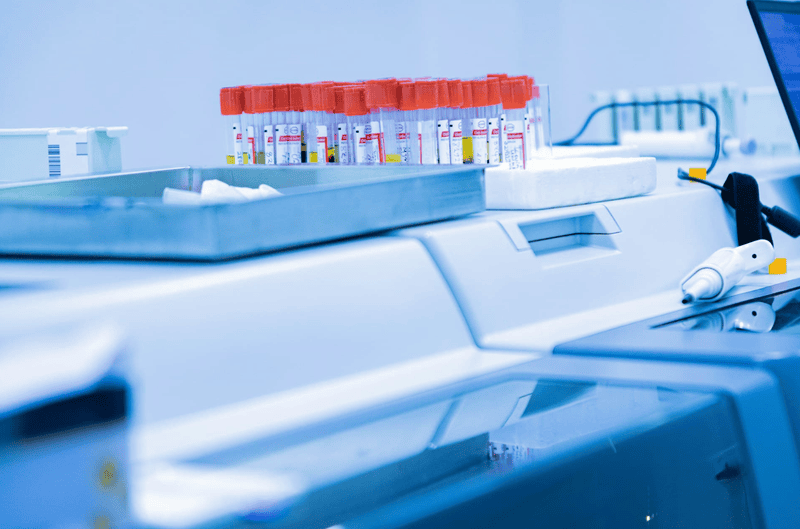
The convergence of artificial intelligence, genomics, and clinical medicine is ushering in an unprecedented era of precision medicine. At the heart of this revolution lies the discovery and validation of biomarkers—measurable biological indicators that can predict disease risk, guide treatment selection, and monitor therapeutic response. Advanced AI algorithms are now capable of identifying subtle patterns in vast, multi-dimensional datasets that would be impossible for human researchers to detect, leading to breakthrough discoveries that are transforming how we understand, diagnose, and treat disease.
This transformation represents more than just technological advancement; it represents a fundamental shift from population-based medicine to individualized treatment strategies. By leveraging machine learning, deep learning, and advanced statistical methods, researchers can now identify patient subgroups with specific molecular signatures, predict treatment responses with remarkable accuracy, and develop therapeutic strategies tailored to individual genetic and biological profiles.
The Science of Biomarker Discovery
Biomarker discovery has evolved from simple single-parameter measurements to complex, multi-omics analyses that integrate genomic, transcriptomic, proteomic, metabolomic, and clinical data. This evolution has been driven by exponential advances in high-throughput technologies and the computational methods necessary to interpret the resulting data.
Traditional vs. Modern Biomarker Approaches
Traditional biomarker discovery relied heavily on hypothesis-driven research, where scientists would identify specific biological pathways believed to be involved in disease and then test related molecules for biomarker potential. While this approach yielded important discoveries like PSA for prostate cancer and troponin for cardiac injury, it was limited by existing biological knowledge and often missed important disease mechanisms.
Modern AI-driven approaches employ hypothesis-free discovery methods that can identify novel biomarkers without prior assumptions about biological mechanisms:
Genome-Wide Association Studies (GWAS): Analyzing millions of genetic variants simultaneouslyTranscriptome-Wide Analysis: Examining expression patterns across all genesProteome-Wide Screening: Measuring thousands of proteins in biological samplesMetabolome Analysis: Profiling hundreds of metabolites in blood, urine, or tissue samplesMulti-omics Integration: Combining data from multiple biological levels
The Data Explosion Challenge
The scale of modern biomarker discovery presents unprecedented computational challenges:
Data Type | Typical Features | Sample Size | Computational Challenge |
|---|---|---|---|
Genomics | 3+ million SNPs | 10K-1M individuals | Multiple testing correction |
Transcriptomics | 20,000+ genes | 1K-100K samples | Dimensionality reduction |
Proteomics | 1,000+ proteins | 100-10K samples | Missing data handling |
Metabolomics | 100-1,000 metabolites | 100-10K samples | Peak identification |
Imaging | Millions of pixels | 1K-100K images | Feature extraction |
This high-dimensional, heterogeneous data requires sophisticated AI methods that can handle noise, missing values, batch effects, and complex interactions between variables.
Machine Learning Approaches to Biomarker Discovery
Different machine learning approaches offer unique advantages for biomarker discovery:
Supervised Learning: When disease outcomes are known, algorithms like random forests, support vector machines, and neural networks can identify predictive featuresUnsupervised Learning: Clustering and dimensionality reduction methods can discover hidden patient subgroups and novel disease subtypesSemi-Supervised Learning: Combines labeled and unlabeled data to improve predictive performance when labels are limitedDeep Learning: Neural networks can automatically extract relevant features from raw data like medical images or genomic sequences
AI-Powered Multi-Omics Integration
The true power of AI in biomarker discovery emerges when integrating data across multiple biological scales. Multi-omics integration can reveal complex biological relationships that single-omics approaches miss.
Technical Approaches to Data Integration
Early Integration: Concatenate features from different omics before analysis
- Advantages: Simple, preserves all information
- Disadvantages: Curse of dimensionality, different data scales
Intermediate Integration: Build separate models for each omics type, then combine predictions
- Advantages: Handles different data characteristics appropriately
- Disadvantages: May miss cross-omics interactions
Late Integration: Combine results from independent analyses of each omics type
- Advantages: Computationally efficient, interpretable
- Disadvantages: Loses information about interactions
Deep Integration: Use deep learning architectures designed for multi-modal data
- Advantages: Can learn complex cross-omics patterns
- Disadvantages: Requires large datasets, less interpretable
Network-Based Approaches
Biological systems are inherently interconnected, making network-based approaches particularly powerful for biomarker discovery:
Protein-Protein Interaction Networks: Identifying biomarkers based on network topologyGene Regulatory Networks: Understanding how genetic variants affect downstream molecular processesMetabolic Networks: Tracing the flow of biochemical reactions to identify disrupted pathwaysMulti-Layer Networks: Integrating different types of biological interactions
Network approaches can identify biomarker "modules"—groups of interconnected molecules that work together in disease processes—rather than individual biomarkers.
Machine Learning for Pattern Recognition
Advanced pattern recognition algorithms are particularly effective at identifying subtle biomarker signatures:
Ensemble Methods: Combining multiple models to improve robustness and accuracyDeep Learning: Neural networks that can learn hierarchical representations of biological dataGaussian Processes: Probabilistic models that provide uncertainty estimates for predictionsTensor Factorization: Methods for analyzing multi-dimensional data structures
These approaches excel at finding non-linear relationships and complex interactions between variables that traditional statistical methods might miss.
Clinical Applications and Success Stories
The practical impact of AI-driven biomarker discovery is already evident across multiple medical specialties, with several breakthrough applications demonstrating the transformative potential of this approach.
Oncology: Leading the Precision Medicine Revolution
Cancer has emerged as the most successful application area for precision medicine approaches:
Tumor Molecular Profiling: AI algorithms analyze comprehensive genomic profiles of tumors to predict treatment response and identify targeted therapy options. Companies like Foundation Medicine and Guardant Health use machine learning to analyze circulating tumor DNA and provide personalized treatment recommendations.
Immunotherapy Biomarkers: AI has identified novel predictive biomarkers for immune checkpoint inhibitors beyond traditional markers like PD-L1 expression. Machine learning models combining tumor mutational burden, microsatellite instability, and immune infiltration patterns can predict immunotherapy response with high accuracy.
Liquid Biopsies: AI-powered analysis of circulating tumor cells and cell-free DNA enables non-invasive cancer monitoring. Companies like GRAIL and Guardant Health use machine learning to detect cancer from blood tests, enabling earlier diagnosis and treatment monitoring.
Drug Resistance Prediction: AI models can predict the development of drug resistance by analyzing tumor evolution patterns, enabling proactive treatment adjustments before resistance emerges clinically.
Cardiovascular Disease: Risk Stratification and Prevention
AI-driven biomarker discovery is transforming cardiovascular medicine:
Polygenic Risk Scores: Machine learning algorithms combine information from thousands of genetic variants to create risk scores that outperform traditional risk factors for predicting heart disease and stroke.
Imaging Biomarkers: Deep learning analysis of cardiac MRI, CT, and echocardiography images identifies subtle structural abnormalities that predict future cardiovascular events.
Multi-Modal Risk Assessment: Integrating genetic, proteomic, and imaging data creates comprehensive risk models that enable personalized prevention strategies.
Neurological Disorders: Early Detection and Disease Monitoring
Neurology presents unique challenges that AI-driven biomarker discovery is beginning to address:
Alzheimer's Disease: AI analysis of brain imaging, cerebrospinal fluid proteins, and cognitive assessments can detect early signs of Alzheimer's disease decades before clinical symptoms appear.
Parkinson's Disease: Machine learning models analyzing movement patterns, voice characteristics, and molecular markers can identify individuals at risk for Parkinson's disease and monitor disease progression.
Multiple Sclerosis: AI-powered analysis of brain MRI scans and blood biomarkers enables earlier diagnosis and more precise monitoring of disease activity.
Metabolic Disorders: Personalized Treatment Strategies
AI is revolutionizing the management of metabolic diseases:
Diabetes Risk Prediction: Machine learning models combining genetic, clinical, and lifestyle data can predict Type 2 diabetes development years in advance, enabling preventive interventions.
Personalized Glucose Management: AI algorithms analyze continuous glucose monitoring data to provide personalized recommendations for diet, exercise, and medication adjustments.
Obesity Treatment: Multi-omics approaches identify patient subgroups that respond differently to various weight loss interventions, enabling personalized treatment selection.
Regulatory and Validation Challenges
The translation of AI-discovered biomarkers into clinical practice faces significant regulatory and validation challenges that must be carefully addressed to ensure patient safety and clinical utility.
FDA Regulatory Framework
The FDA has developed specific guidance for AI/ML-based medical devices and biomarkers:
Software as Medical Device (SaMD): Classification system based on healthcare decision risk and state of healthcare situationPredetermined Change Control Plans: Framework for updating AI algorithms while maintaining regulatory approvalReal-World Performance Monitoring: Requirements for ongoing surveillance of AI performance in clinical practiceAlgorithm Transparency: Expectations for explainability and interpretability of AI decisions
Key regulatory considerations include:
Aspect | Requirements | Challenges |
|---|---|---|
Validation | Independent datasets, clinical utility | Limited diverse datasets |
Reproducibility | Consistent results across platforms | Technical standardization |
Generalizability | Performance across populations | Population bias in training data |
Safety | Harm mitigation strategies | Unknown long-term effects |
Clinical Validation Standards
Biomarker validation follows established frameworks that must be adapted for AI-discovered markers:
Analytical Validation: Technical performance of the assay
- Accuracy, precision, reproducibility
- Limit of detection and quantification
- Interference and stability studies
Clinical Validation: Association with clinical outcomes
- Sensitivity and specificity for intended use
- Positive and negative predictive values
- Clinical utility demonstration
Clinical Utility: Impact on patient outcomes
- Randomized controlled trials
- Health economic evaluations
- Implementation studies
Ethical Considerations
AI-driven biomarker discovery raises important ethical questions:
Data Privacy: Protecting sensitive genetic and health informationAlgorithmic Bias: Ensuring fair representation across diverse populationsInformed Consent: Explaining AI-based predictions to patients and cliniciansHealth Equity: Preventing AI from exacerbating existing healthcare disparities
Technical Infrastructure and Implementation
Successful implementation of AI-driven biomarker discovery requires sophisticated technical infrastructure and careful attention to data management, quality control, and scalability.
Data Management Challenges
Data Integration: Harmonizing data from multiple sources with different formats, standards, and quality levelsQuality Control: Implementing robust procedures for detecting and correcting errors in large datasetsBatch Effects: Correcting for technical variations introduced during data collection and processingMissing Data: Handling incomplete information without introducing bias
Computational Requirements
AI-driven biomarker discovery demands significant computational resources:
High-Performance Computing: Parallel processing for large-scale genomic analysesCloud Computing: Scalable infrastructure for handling variable computational demandsGPU Acceleration: Specialized hardware for deep learning applicationsStorage Solutions: Efficient systems for managing petabyte-scale datasets
Software and Platform Development
Workflow Management: Systems for coordinating complex multi-step analysesVersion Control: Tracking changes in algorithms and datasets over timeReproducibility Tools: Ensuring analyses can be repeated with identical resultsUser Interfaces: Making sophisticated analyses accessible to clinical researchers
Economic Impact and Market Dynamics
The precision medicine biomarker market is experiencing rapid growth, driven by technological advances and increasing recognition of the clinical value of personalized medicine approaches.
Market Size and Growth Projections
The global precision medicine market is projected to reach $217 billion by 2028, with biomarker discovery representing a significant portion of this growth:
Diagnostic Biomarkers: $45 billion market by 2027Prognostic Biomarkers: $32 billion market by 2027
Predictive Biomarkers: $28 billion market by 2027Pharmacodynamic Biomarkers: $15 billion market by 2027
Key Market Drivers
Technological Advancement: Continued improvements in AI algorithms and computing powerRegulatory Support: Increasingly clear regulatory pathways for AI-based medical devicesClinical Evidence: Growing body of evidence demonstrating clinical utilityCost Reduction: Decreasing costs of genomic sequencing and other omics technologies
Industry Landscape
The precision medicine ecosystem includes diverse stakeholders:
Technology Companies: Google, Microsoft, IBM developing AI platformsBiotech Companies: Specialized firms focused on specific disease areasPharmaceutical Companies: Integrating precision medicine into drug developmentDiagnostic Companies: Translating biomarkers into clinical testsHealthcare Systems: Implementing precision medicine in clinical practice
Future Directions and Emerging Trends

The future of AI-driven biomarker discovery promises even more sophisticated approaches and broader clinical applications.
Technological Advances
Federated Learning: Enabling collaborative biomarker discovery while preserving data privacyQuantum Computing: Potentially revolutionary approaches for optimization and pattern recognitionAdvanced AI Architectures: Graph neural networks, attention mechanisms, and transformer modelsReal-Time Analytics: Continuous monitoring and dynamic biomarker assessment
Expanding Applications
Rare Disease: AI approaches particularly valuable for diseases with limited dataInfectious Disease: Rapid biomarker discovery for emerging pathogensMental Health: Objective biomarkers for psychiatric conditionsAging Research: Biomarkers for healthy aging and longevity
Methodological Innovations
Causal Inference: Moving beyond correlation to understand causal relationshipsInterpretable AI: Developing more transparent and explainable algorithmsMulti-Modal Learning: Integrating diverse data types including wearable sensor dataPersonalized Models: Individual-specific rather than population-based predictions
Global Health Applications
Resource-Limited Settings: Developing cost-effective biomarker approaches for global healthPopulation Health: Using AI for large-scale screening and prevention programsEnvironmental Health: Integrating environmental exposure data into biomarker modelsHealth Disparities: Addressing bias and ensuring equitable access to precision medicine
Challenges and Limitations
Despite significant progress, several challenges limit the full potential of AI-driven biomarker discovery:
Technical Challenges
Data Quality: Ensuring high-quality, standardized data across different sourcesModel Interpretability: Understanding why AI models make specific predictionsScalability: Developing approaches that work across different populations and settingsIntegration Complexity: Combining diverse data types while preserving biological meaning
Clinical Challenges
Implementation Barriers: Integrating AI tools into existing clinical workflowsClinician Training: Educating healthcare providers about AI-based biomarkersPatient Acceptance: Building trust in AI-driven medical decisionsCost-Effectiveness: Demonstrating economic value of precision medicine approaches
Regulatory and Ethical Challenges
Regulatory Uncertainty: Evolving guidelines for AI-based medical devicesData Ownership: Questions about who controls and benefits from health dataAlgorithmic Fairness: Ensuring AI systems don't discriminate against certain groupsGlobal Harmonization: Coordinating regulatory approaches across different countries
Best Practices and Implementation Guidelines
Successful implementation of AI-driven biomarker discovery requires adherence to established best practices and emerging guidelines.
Data Management Best Practices
FAIR Principles: Ensuring data is Findable, Accessible, Interoperable, and ReusableMetadata Standards: Comprehensive annotation of datasets to enable proper interpretationQuality Assessment: Systematic evaluation of data quality before analysisVersion Control: Tracking changes and maintaining data provenance
Algorithm Development Guidelines
Validation Strategy: Independent datasets for training, validation, and testingCross-Validation: Proper techniques for estimating model performanceBias Assessment: Systematic evaluation of potential sources of biasRobustness Testing: Evaluating performance under different conditions
Clinical Translation Principles
Clinical Relevance: Ensuring biomarkers address clinically important questionsAnalytical Validity: Demonstrating technical performance of assaysClinical Validity: Establishing association with clinical outcomesClinical Utility: Proving impact on patient care and outcomes
Conclusion
AI-driven biomarker discovery represents one of the most promising applications of artificial intelligence in healthcare, with the potential to transform how we prevent, diagnose, and treat disease. The integration of machine learning with multi-omics data is revealing previously hidden patterns in biological systems and enabling the development of precise, personalized therapeutic strategies.
The success stories in oncology, cardiovascular disease, and other areas demonstrate the transformative potential of this approach, while ongoing challenges in regulation, validation, and implementation highlight the complexity of translating AI discoveries into clinical practice. As the technology continues to mature and the regulatory framework evolves, we can expect to see increasingly sophisticated applications that bring the promise of precision medicine closer to reality for patients worldwide.
The future of healthcare lies in the intelligent integration of diverse biological data to create truly personalized treatment strategies. AI-driven biomarker discovery is not just a technological advancement—it represents a fundamental shift toward a more precise, effective, and patient-centered approach to medicine. As we continue to develop these capabilities, the ultimate beneficiaries will be the millions of patients who will receive more effective treatments, experience fewer adverse effects, and enjoy better health outcomes through the power of precision medicine.
The convergence of AI, genomics, and clinical medicine is creating unprecedented opportunities to understand and treat human disease. As these technologies continue to evolve and mature, they will undoubtedly play an increasingly central role in shaping the future of healthcare, bringing us ever closer to the goal of truly personalized medicine for every patient.