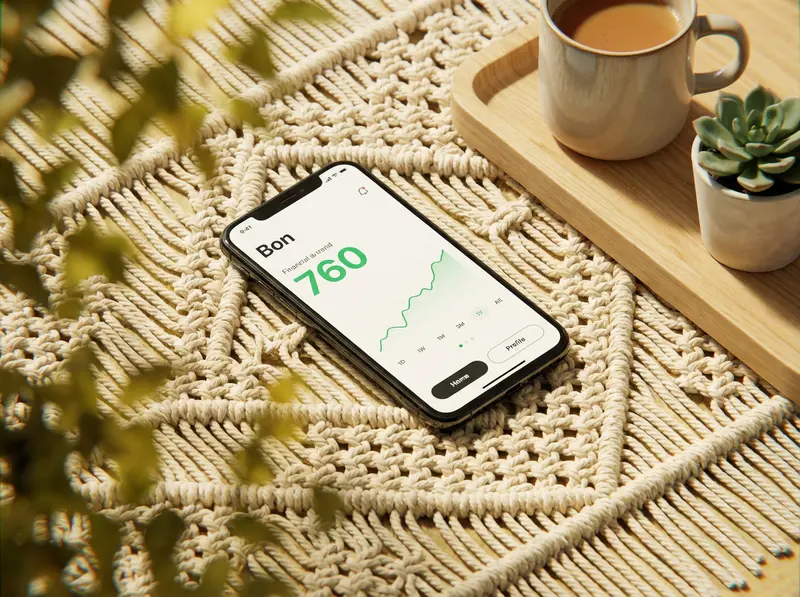
You can check your credit score for free without hurting it by using soft inquiry services like AnnualCreditReport.com, your credit card issuer’s free score tools, or AI-powered platforms like Bon that provide real-time credit monitoring with no hard pulls. Unlike hard inquiries from loan applications that lower your score by 5-10 points, soft inquiries allow you to view your credit information as often as needed without any negative impact on your creditworthiness.
Written by the BON Credit Team | Last updated: March 2026
What Is the Difference Between a Hard and Soft Credit Inquiry?
The Consumer Financial Protection Bureau (CFPB) confirms that you are entitled to one free credit report per year from each bureau at AnnualCreditReport.com, and that checking your own report never hurts your score.
Hard inquiries occur when lenders check your credit for lending decisions, while soft inquiries happen when you check your own credit or when companies pre-screen you for offers—only hard inquiries affect your score.
When you apply for a mortgage, auto loan, or new credit card, the lender performs a hard inquiry (also called a hard pull) that appears on your credit report and typically reduces your score by 5-10 points for up to 12 months. Multiple hard inquiries within a short period can signal financial distress to lenders.
Soft inquiries, by contrast, leave no mark on your credit report visible to lenders. These occur when you check your own credit, when employers conduct background checks, or when credit card companies send pre-approved offers. Checking your credit score through legitimate free services always uses soft inquiries, making it completely safe to monitor your credit as frequently as you want.
The three major credit bureaus—Experian, Equifax, and TransUnion—all distinguish between these inquiry types. Your FICO score calculation only considers hard inquiries from the past 12 months, and even then, their impact diminishes over time.
What Are the Best Free Methods to Check Your Credit Score Safely?
The most reliable free methods include AnnualCreditReport.com for full reports, credit card issuer portals for monthly scores, and specialized apps like Bon that provide continuous monitoring without hard pulls.
Official Credit Report Access
AnnualCreditReport.com, authorized by federal law, provides one free credit report annually from each of the three major bureaus. While these reports show your complete credit history, payment records, and account details, they don’t always include your numerical credit score. You can stagger your requests—checking one bureau every four months—to maintain year-round visibility into your credit health.
Credit Card Issuer Free Scores
Most major credit card issuers now offer free credit score access to their cardholders. Chase Credit Journey, Discover Credit Scorecard, and Capital One CreditWise provide monthly FICO or VantageScore updates directly through their mobile apps or websites. These services use soft inquiries and often include credit monitoring alerts for new accounts or suspicious activity.
AI-Powered Credit Platforms
Modern platforms like Bon combine credit score tracking with intelligent debt management tools. Bon securely connects to all your credit cards through Plaid technology (trusted by over 8,000 financial applications) and provides real-time credit score updates without hard inquiries. The platform uses bank-grade 256-bit encryption and GDPR certification to protect your data, while its 24/7 CredGPT AI coach answers credit-related questions and explains factors affecting your score.
Banking Apps and Financial Tools
Many banks and credit unions now include free credit score access as part of their digital banking services. These typically refresh monthly and provide educational resources about credit score factors. Some financial apps aggregate data from multiple sources to give you a comprehensive view of your credit profile across all three bureaus.
What Information Will You See in a Free Credit Check?
Free credit checks typically display your three-digit credit score (300-850 range), score factors, credit utilization percentage, payment history, and any negative marks like late payments or collections.
Your credit score represents your creditworthiness on a scale from 300 (poor) to 850 (excellent). Most free services show either your FICO score—used by 90% of lenders—or your VantageScore, which uses similar but slightly different calculation methods.
Beyond the number, comprehensive free credit tools break down the factors influencing your score:
Payment History (35% of FICO score): Shows whether you’ve paid bills on time, any late payments, and their severity
Credit Utilization (30%): Displays what percentage of your available credit you’re currently using
Credit History Length (15%): Indicates the average age of your accounts
Credit Mix (10%): Shows the variety of credit types you manage (cards, loans, mortgages)
New Credit (10%): Lists recent credit inquiries and newly opened accounts
Free credit reports also detail each of your credit accounts, including opening dates, credit limits, current balances, and payment patterns. You’ll see any public records like bankruptcies or tax liens, as well as collection accounts that may be damaging your score.
How Often Should You Check Your Own Credit Score?
Financial experts recommend checking your credit score at least quarterly, with monthly checks ideal for active credit users or those working to improve their scores.
Quarterly checks align with the typical reporting cycle of most creditors to the credit bureaus. This frequency allows you to catch errors before they compound, identify potential identity theft early, and track the impact of your financial decisions over meaningful time periods.
Monthly monitoring makes sense if you’re actively working to improve your credit, planning a major purchase like a home or car within the next year, or have previously experienced identity theft. Platforms like Bon provide continuous monitoring that alerts you to significant changes, eliminating the need to remember manual check schedules.
You should also check your credit immediately before applying for major loans. This allows you to spot and dispute any errors that could affect your approval odds or interest rate. Since checking your own credit never hurts your score, there’s no downside to frequent monitoring—only benefits.
What Are the Common Myths About Checking Your Credit Score?
Many people wrongly believe that checking their own credit hurts their score, that free scores are inaccurate, or that you should only check before applying for credit.
The most persistent myth is that any credit check damages your score. This confusion stems from not understanding the hard vs. soft inquiry distinction. When you check your own credit through legitimate services, it’s always a soft inquiry with zero impact on your creditworthiness. Only applications for new credit trigger hard inquiries.
Another misconception is that free credit scores are less accurate than paid versions. In reality, free scores from reputable sources use the same FICO or VantageScore models that lenders use. The score you see from your credit card issuer or a platform like Bon reflects your actual credit standing, though different scoring models may produce slightly different numbers.
Some consumers believe they need to pay for credit monitoring to protect themselves from identity theft. While paid services may offer additional features, free monitoring tools now provide robust protection, including alerts for new accounts, hard inquiries, and significant score changes. Bon’s AI-powered monitoring, for example, tracks your credit in real-time and provides instant notifications of suspicious activity.
How Do Free Credit Score Services Compare?
How Do You Start Monitoring Your Credit Score Today?
Once you know your score, use our complete guide on how to build credit to plan your next move and see how to save more money by improving your profile.
Begin by requesting your free annual credit reports from AnnualCreditReport.com, then set up continuous monitoring through your credit card issuer or a comprehensive platform like Bon.
Start with your baseline by obtaining all three credit reports from AnnualCreditReport.com. Review each report carefully for errors, unfamiliar accounts, or incorrect personal information. Dispute any inaccuracies directly with the credit bureau—this process is free and typically resolves within 30 days.
Next, establish ongoing monitoring by choosing a free service that fits your needs. If you have a credit card, check whether your issuer offers free score access through their app. For more comprehensive management, consider Bon, which not only tracks your credit score but also helps optimize your debt repayment strategy through AI analysis of your balances, interest rates, and payment habits.
Set calendar reminders to review your credit quarterly if you’re not using a real-time monitoring service. Create a simple spreadsheet or note to track your score over time, which helps you visualize progress and identify patterns. Bon’s dashboard automatically handles this tracking, showing your credit score trends alongside your debt reduction progress.
Finally, educate yourself about credit score factors using free resources. Bon’s CredGPT AI coach provides instant, personalized explanations of what affects your score and actionable steps to improve it, making credit education accessible 24/7 without the need to navigate complex financial websites.
How Does Regular Credit Monitoring Help You Build Better Credit?
Regular credit monitoring enables you to spot errors quickly, understand what impacts your score, catch identity theft early, and track the positive effects of good financial habits.
When you monitor your credit consistently, you become familiar with your baseline credit profile. This familiarity makes it easy to notice when something changes unexpectedly—a new account you didn’t open, a payment marked late despite being on time, or a credit limit decrease you weren’t notified about. Early detection of these issues allows for quick resolution before they significantly damage your score.
Credit monitoring also provides educational value by showing you the direct consequences of your financial decisions. When you pay down a high-balance credit card, you’ll see your credit utilization percentage drop and your score improve within weeks. This immediate feedback reinforces positive behaviors and helps you understand which actions have the greatest impact on your creditworthiness.
For those working to improve their credit, monitoring creates accountability and motivation. Platforms like Bon enhance this by combining credit tracking with debt management tools, showing you exactly how following your AI-generated repayment roadmap affects your credit score over time. The platform’s reward system for on-time payments—offering gift cards and cash bonuses—further incentivizes the behaviors that build strong credit.
Identity theft detection represents another critical benefit of continuous monitoring. The average victim doesn’t discover fraudulent accounts for months, by which time significant damage has occurred. Real-time monitoring services alert you within hours of suspicious activity, allowing you to freeze your credit and dispute fraudulent accounts before they devastate your credit score.
Frequently Asked Questions About Checking Your Credit Score
Q: Does checking my credit score on Credit Karma or similar sites hurt my credit?
A: No, checking your credit through Credit Karma, Bon, or any legitimate free credit monitoring service uses soft inquiries that have zero impact on your credit score. You can check as often as you want without any negative consequences.
Q: Why do I see different credit scores on different websites?
A: Different services may pull from different credit bureaus (Experian, Equifax, or TransUnion) and use different scoring models (FICO vs. VantageScore). These variations are normal—your scores across bureaus typically differ by 10-30 points. Focus on the trends rather than exact numbers.
Q: Can I check my credit score if I have no credit history?
A: If you have no credit accounts, you won’t have a traditional credit score yet. However, you can still request your credit reports to confirm no fraudulent accounts exist in your name. Services like Bon can help you build credit from scratch through strategic credit card recommendations and guidance.
Q: How long does it take for positive changes to show up in my credit score?
A: Most positive actions—like paying down balances or making on-time payments—appear on your credit report within 30-45 days when creditors report to the bureaus. Your score typically updates within 1-2 billing cycles after the information is reported.
Take Control of Your Credit Health Today
Understanding how to check your credit score for free without hurting it is the first step toward financial empowerment. By using soft inquiry services and establishing regular monitoring habits, you gain the visibility needed to build and maintain excellent credit over time.
Bon makes this process effortless by combining real-time credit score tracking with AI-powered debt management in a single platform. In just 2 minutes, you can securely connect all your credit cards through Plaid technology and receive a personalized repayment roadmap that optimizes your debt strategy while improving your credit score. With 24/7 access to CredGPT AI coaching and rewards for on-time payments, Bon transforms credit monitoring from a passive task into an active journey toward financial freedom. Start monitoring your credit today at boncredit.ai and take the first step toward a stronger financial future.